Introduction to the craft
Tradition is indeed much appreciated as it is: the old school, old techniques, and old materials. But what if tradition could also be leveraged to offer new perspectives?
This is the essence of our approach. Everything we produce is traditional in its origin — the source is tradition, clearly identified and respected — but it is brought into the present to meet today’s needs and expectations.
We respect the six-week, hand clarification process of the precious first cold-pressed linseed oil, while ensuring that our Oil Colours remain stable and preserved in the tube. We retain the clarity and personality of each colour while using not only traditional pigments, but also carefully selected modern pigments. We follow the philosophy of the mono-pigmental colours of the old school, while giving artists the freedom and control to create without limitations.
In a few words: traditional, handmade Oil Colours for professional painters, offering complete control for every artistic style — used as they are or combined with mediums.
Raw materials
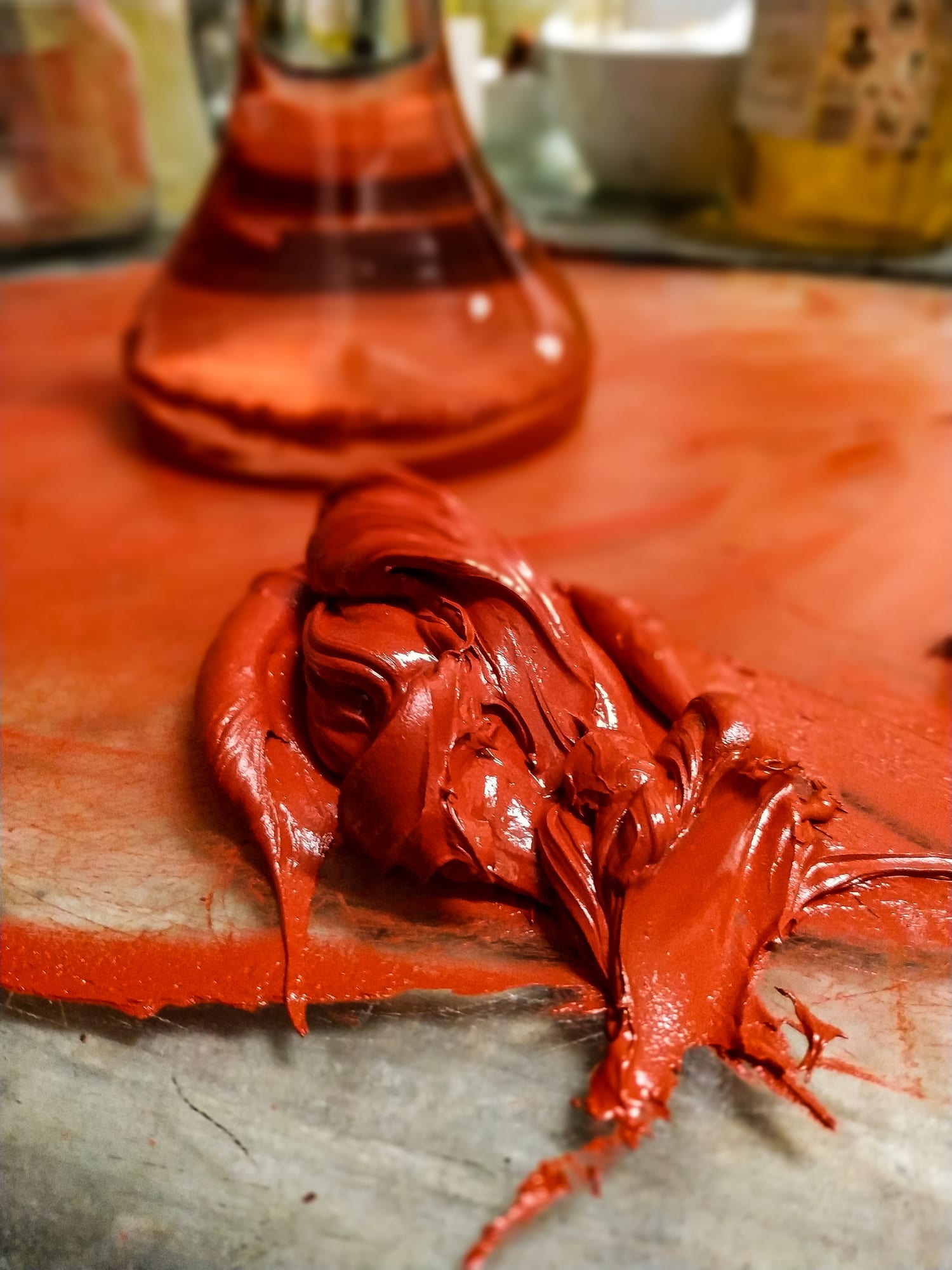
Pigments: Nature offers the most diverse palette. Earth and mineral colours from around the world are a major focus for us, as they have been throughout the long tradition of painting. Cyprus, Italy, France, Spain, Iran, India, and many other regions provide soils that create a complete palette—from intense to delicate colours, all with their own unique harmony. Ochres, reds, siennas, browns, blacks, and greens: each with its own character, shaped by its place of origin.
We also use carefully selected synthetic pigments, both inorganic and organic, chosen for their proven colour strength, lightfastness, and certified safety for human health and the environment—such as our safe Cobalt Blue and safe Cadmium ranges.
Binders: Award-winning first cold-pressed linseed oil from Northern Europe, selected for both the quality of the seeds and the cultivation methods, allowing us to trace our materials back to the origins of the oil—the seeds and the soil in which they were grown. For yellowing-sensitive colours, we use only the finest quality poppy and walnut oils.
Preparation and transformation
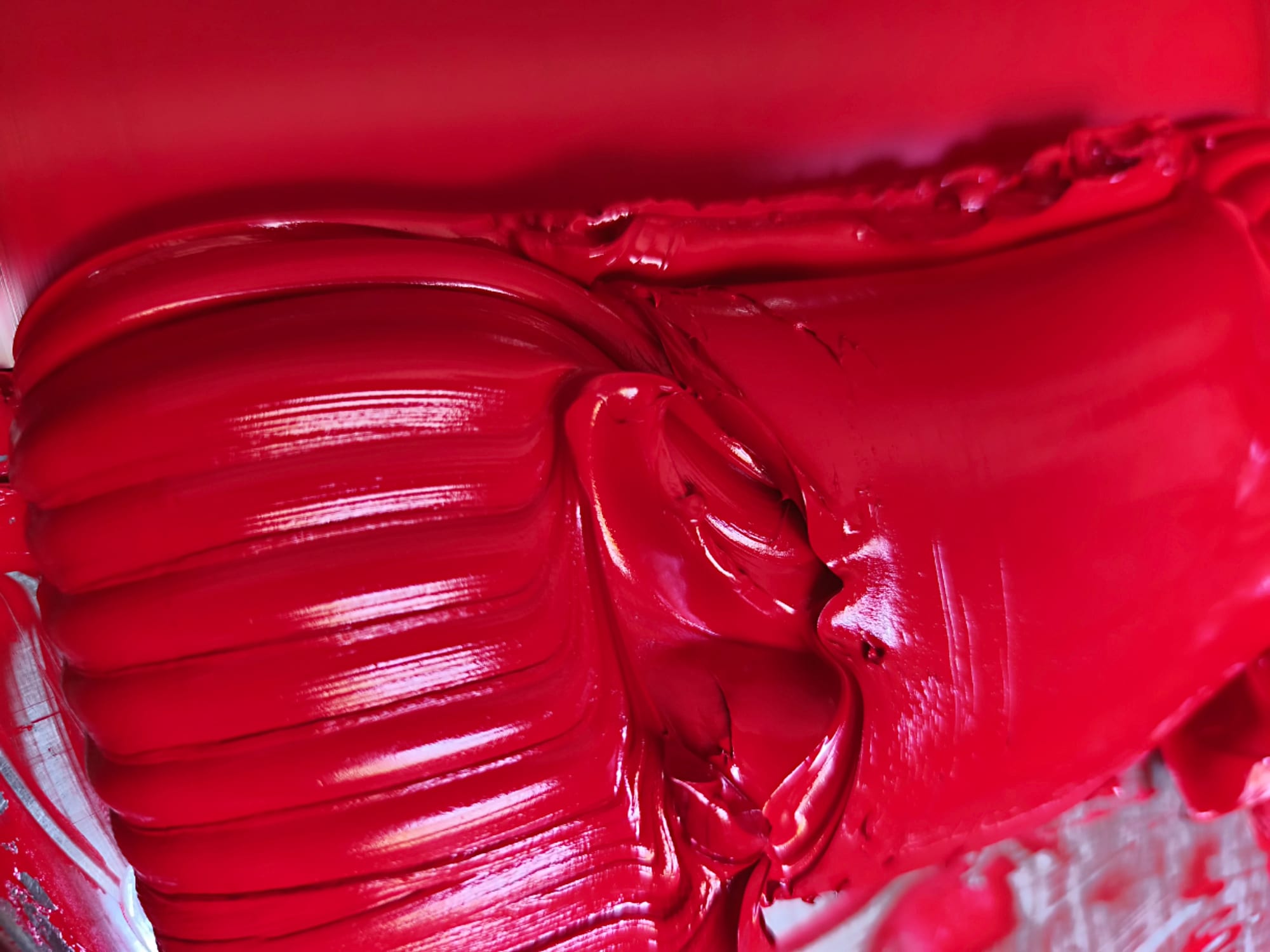
All our pigments are selected through a long and careful process, certified for their lightfastness, tested for their chromatic strength, and chosen to resemble as closely as possible the historical pigments that inspired them: Ultramarine Blue to Lapis Lazuli, Cobalt Blue to Smalt, original Cobalt Cerulean PB35 (rather than its substitute PB36), original Viridian PG18 (rather than Phthalocyanine Green PG7), and so on.
None of our Colours are intensified through the addition of toners or undisclosed pigments—only pure colour pigments are used. We also use no fillers often incorrectly presented as “pigments”.
Our certified first cold-pressed linseed oil is refined according to a centuries-proven method that preserves the essential fatty acids required for Oil Colours to achieve maximum pigment load and exceptional rheological behaviour, unlike modern mass-refining processes that can compromise these properties.
The hand-refining method naturally pre-oxidises the linseed oil during the process, enhancing its drying properties without the use of chemicals. Sometimes simplicity is indeed the best teacher—and in this case, tradition truly proves its value.
Formulation and production
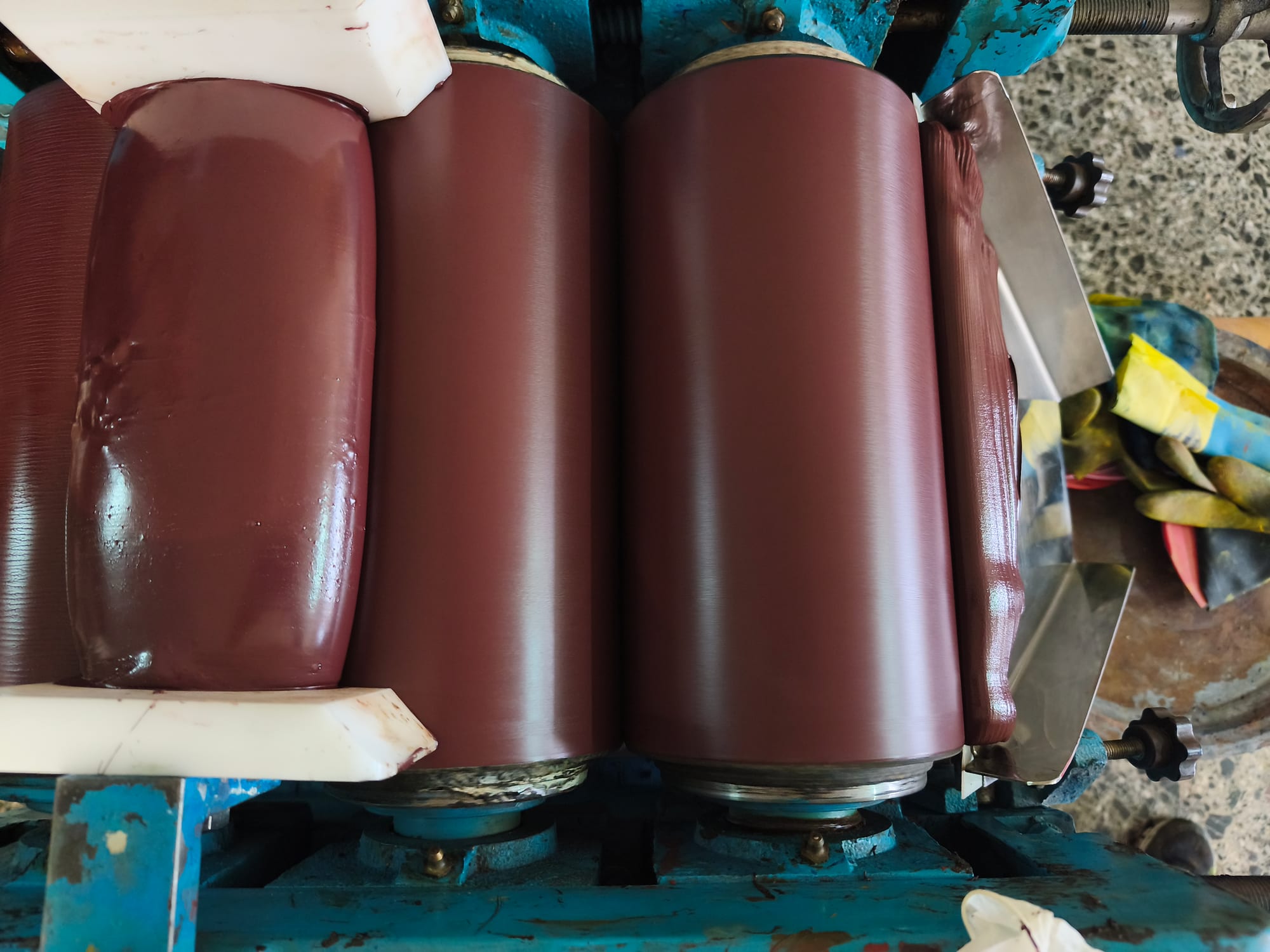
All our Oil Colours are designed with the greatest respect for historical formulas, while also offering innovative options based on historical characteristics.
Titanium White, for example, is formulated to resemble Flake White in its texture and mixability, while also offering a full-strength, buttery option for professional artists who prefer a different texture or mixing behaviour from the historical Flake White.
None of our products contains zinc.
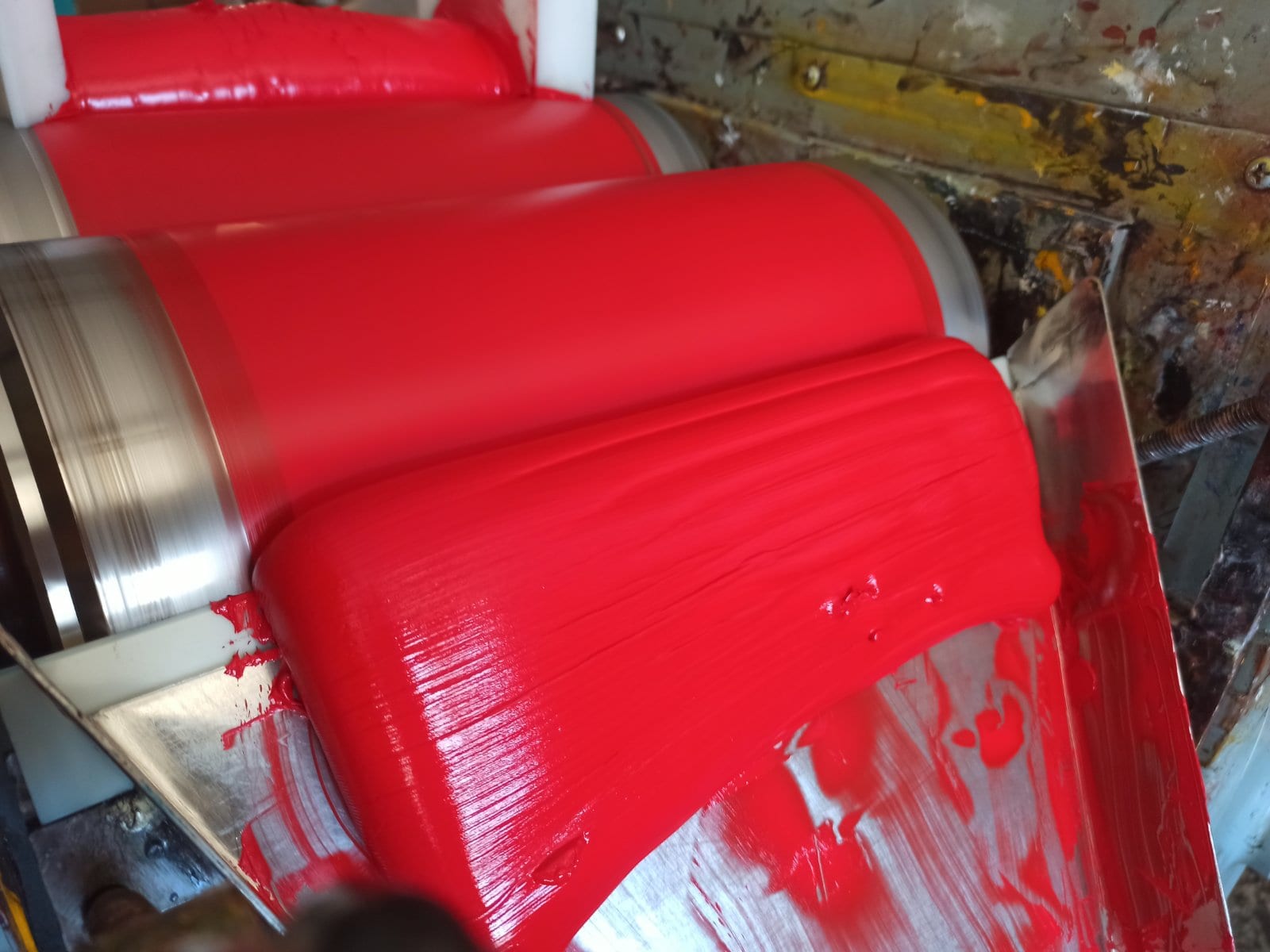
Even in our grinding process using three-roll mills, tradition guides our choice between traditional granite rolls and metal rolls. Earth colours and temperature-sensitive pigments are best ground on granite rolls, closely resembling the methods of the Grand Maîtres using the muller.
Specifically pigments that are naturally gritty, such as Natural Yellow Ochre from France or Italy and many other natural earth pigments, achieve an exceptionally fine grind rather than producing a gritty oil paint—delivering the quality and performance that professional artists deserve.
Quality control
Quality is non-negotiable for us.
Quality control takes place at every stage of production: from the selection of raw materials, for which we request detailed reports from our suppliers and test each batch individually, through their preparation and every stage of the production process, to the final product—both before and after settling.
Small batches help ensure the highest quality, while rigorous quality controls guarantee consistency and repeatability.
Sustainability and responsibility
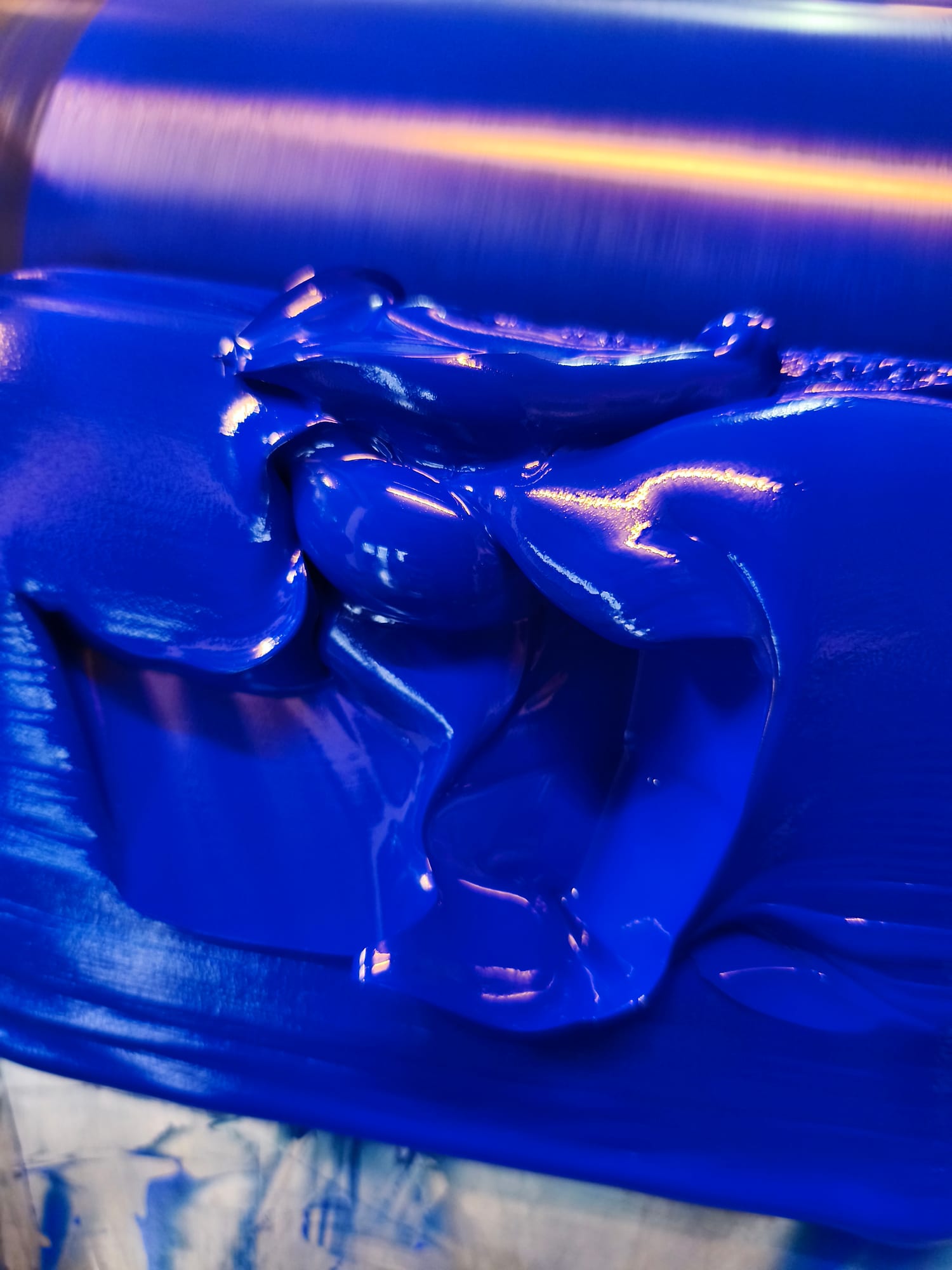
Environment and safety are of great importance to us. This is why we have sought, and continue to seek, pigments that are safe for human health and the environment, while also meeting our strict standards of quality and performance.
